
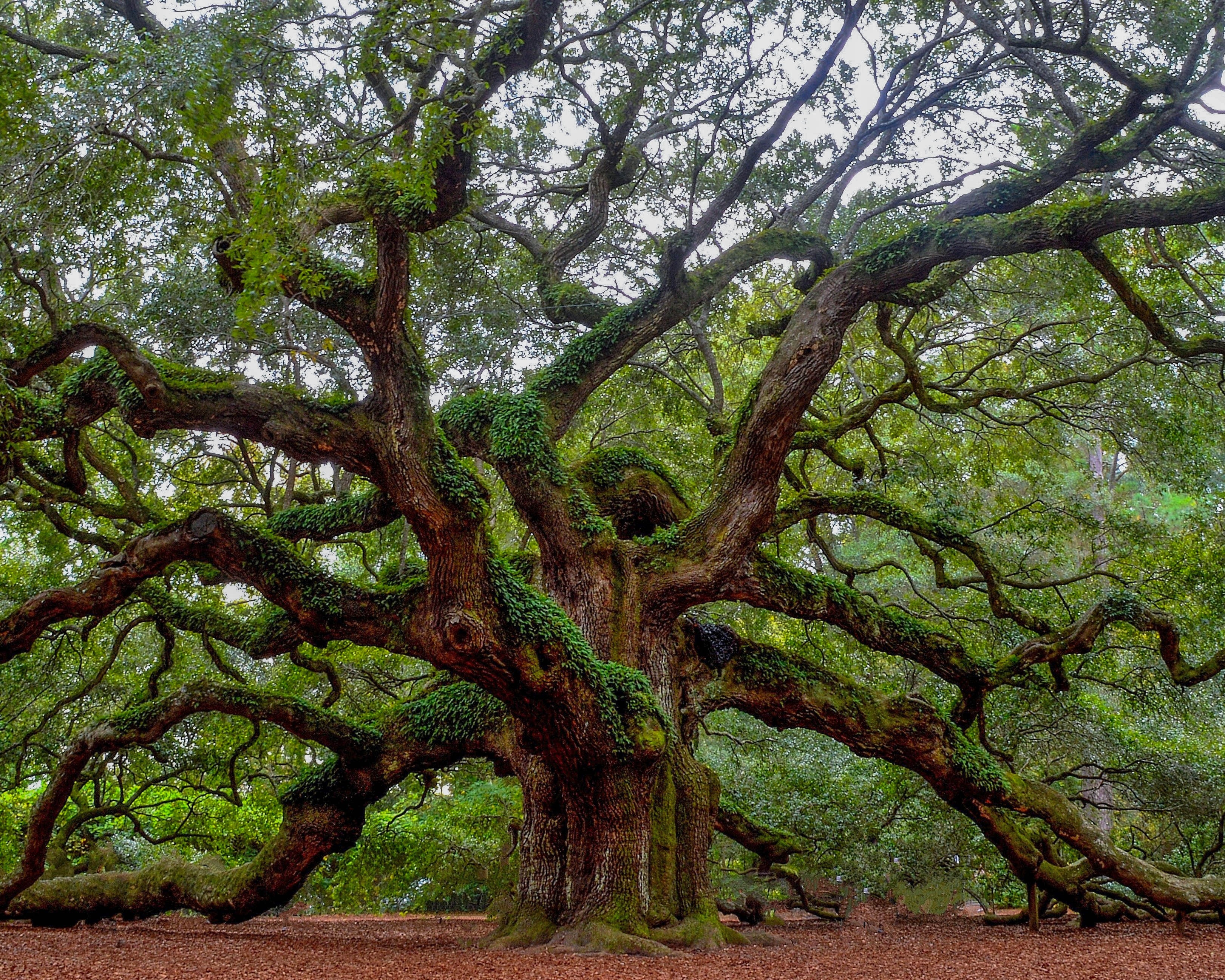
A Closer Look at the Majestic Oak Tree
Introduction
The oak tree, with its towering presence and stately appearance, is often regarded as one of the most iconic and majestic trees in the natural world. In this article, we will take a closer look at this remarkable tree, exploring its unique characteristics, historical significance, and ecological importance. From its resilient nature to its vital role in supporting diverse ecosystems, the oak tree stands as a symbol of strength and endurance in the world of flora.Table of Contents
- Introduction
- The Oak's Impressive Profile
- Historical and Cultural Significance
- Ecological Importance
- Conclusion
The Oak's Impressive Profile
The oak tree, scientifically known as Quercus, belongs to a diverse genus with more than 600 different species. Oaks are widely distributed throughout the Northern Hemisphere, from North America to Europe and Asia. They are deciduous or evergreen trees known for their distinctive features:
Majestic Stature: Oaks can reach impressive heights, with some species towering over 100 feet. Their sturdy trunks and expansive canopies make them a dominant presence in forests and landscapes.
Leaves: Oak leaves are typically lobed, with a unique shape that varies between species. They often turn brilliant shades of red, orange, and brown in the autumn, creating stunning landscapes.
Acorns: Perhaps one of the most recognizable features of oaks is their production of acorns, the tree's fruit. Acorns serve as a vital food source for a variety of wildlife, including squirrels, deer, and even insects.
Historical and Cultural Significance
Oaks have deep-rooted historical and cultural importance in many societies around the world. They have often been associated with strength, longevity, and wisdom. Some notable points of historical and cultural significance include:
Mythology and Folklore: In various mythologies, the oak tree is seen as a symbol of strength and endurance. In ancient Greece, it was dedicated to Zeus, the king of the gods.
Druidic Traditions: Druids, ancient Celtic religious leaders, considered oaks sacred and held their religious ceremonies in oak groves.
Use in Shipbuilding: Oak wood is renowned for its durability and was traditionally used in shipbuilding, most notably in the construction of the British Royal Navy's iconic warships.
Ecological Importance
The oak tree is not just a symbol; it plays a vital role in sustaining ecosystems:
Wildlife Habitat: Oaks support a rich ecosystem, providing food and shelter for a diverse range of wildlife. Acorns are a primary food source for many animals, helping to maintain the balance of forest food chains.
Air Quality: These trees contribute to improved air quality by absorbing carbon dioxide and releasing oxygen.
Soil Health: Oak trees help improve soil quality by cycling nutrients and preventing erosion.
Conclusion
The oak tree, with its impressive stature, historical significance, and ecological importance, is a true giant in the world of plants. Its role in shaping our natural world and its enduring presence in culture and history make it a fascinating subject of study and admiration. In future articles, we'll delve deeper into the various oak species, their cultivation, and the critical role they play in preserving our environment. Stay tuned for more insights into the natural wonders of our world.
Related Posts
No related posts found.